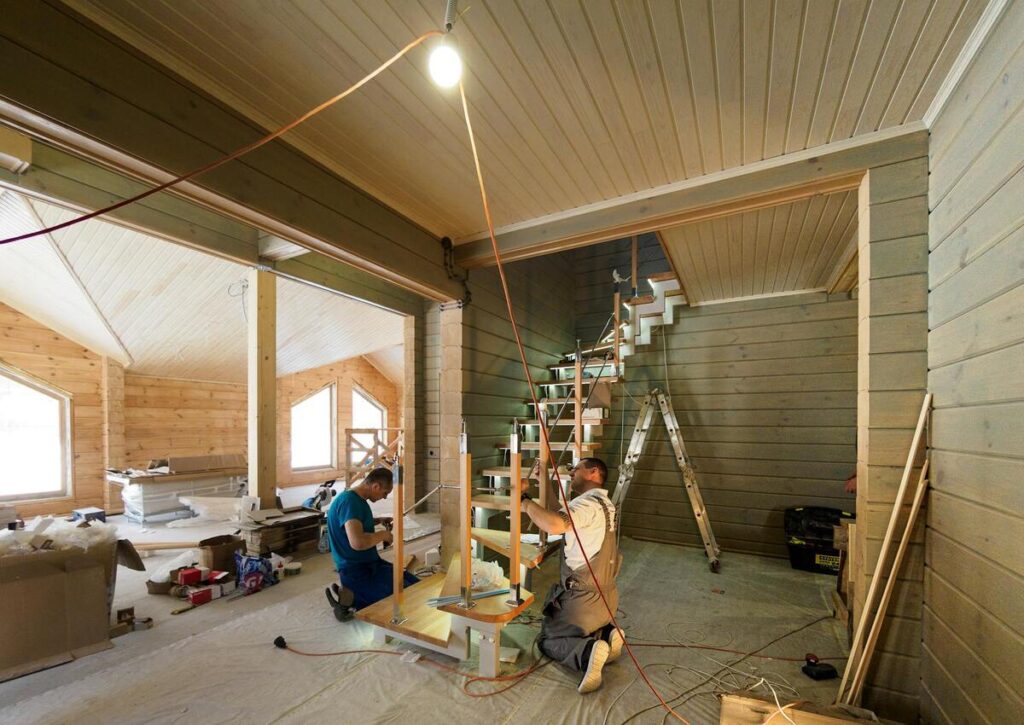
A staircase rarely gets much credit. The kitchen, the quantity of storage, the yard, or the natural light are often the topics of discussion when people discuss a house they like. The staircase is very rarely ever mentioned. Yet it is one of the most heavily used parts of the house and one of the few features encountered every single day. That becomes obvious when a staircase isn’t quite right.
The steps feel a little too steep. The landing feels cramped whenever something needs carrying upstairs. Regardless of how many bulbs are changed, the stairs remain dark. A well-functioning staircase blends seamlessly into everyday life; it’s cosy, secure, and exactly perfect without drawing attention to itself.
Comfort Is Something People Feel, Not Measure
Most homeowners never ask about tread depth or staircase pitch. What matters is how the stairs feel. Almost everyone has used a staircase that seemed slightly awkward. Perhaps it was in an older terrace where space was at a premium. Maybe it was a loft conversion squeezed into an existing structure. Nothing looked particularly wrong, but going down the stairs felt less comfortable than going up. Carrying a suitcase required more care than expected. The movement never felt completely natural. Usually, proportion is the reason.
Everything starts with the relationship between riser height and tread depth. People climb stairs without consciously thinking about each step. The body quickly finds a rhythm. When risers and treads are consistent, that rhythm feels effortless. When they are not, even by a surprisingly small margin, people begin adjusting their stride without realising it. This is why building regulations place such importance on consistency. The goal is not simply compliance. It is creating movement that feels predictable and comfortable every time the staircase is used.
Official guidance on staircase dimensions and safety requirements can be found in Approved Document K.Interestingly, homeowners rarely praise a staircase for meeting regulations. They simply say it feels easy to use. That is usually the result of thoughtful design decisions made long before the first step was installed.
Light Can Completely Change the Character of a Staircase
Natural light has become one of the most desirable qualities in modern homes. Estate agents highlight it. Buyers look for it. Designers spend considerable time trying to maximise it. Yet staircases are often overlooked during those discussions.
Many older properties have enclosed stairwells surrounded by solid walls. The arrangement made practical sense when the house was built, but it often leaves hallways and landings darker than necessary. In some homes, lights remain switched on throughout much of the day despite decent weather outside.
Renovation projects increasingly address this issue directly. Roof lights above stairwells, glazed sections, open risers, and more open layouts can help daylight travel further through a property. The impact is often subtle but noticeable. A landing feels brighter. A hallway feels less enclosed. The upper floor feels more connected to the rest of the house.
It is not always the sort of transformation that creates dramatic before-and-after photographs. It is something experienced in everyday life, often without consciously noticing why the space feels better.
Further residential design guidance and architectural resources can be found through RIBA.
Safety Has Become Part of the Aesthetic
For many years, staircase safety features were viewed almost entirely as practical necessities. These days, expectations are different. Homeowners select handrails, balustrades, and spindles that enhance rather than diminish the overall appearance of the staircase. Fortunately, modern products provide a great deal more freedom than previous ones.
Selecting the proper balustrade kit for renovation projects will help maintain daily safety regulations while achieving a uniform look.
The strongest designs usually address safety from the beginning rather than treating it as a final addition once the visual design has already been decided.
Designed Around Everyday Life
A staircase experiences everyday life more directly than many other parts of a home. Shopping bags get carried upstairs. Furniture gets manoeuvred around corners. Children charge up and down despite being told not to. Pets find their favourite spots halfway along the flight. Suitcases appear during the holiday season. Laundry baskets seem to make endless journeys between floors. That constant use is worth remembering.
Materials need to withstand wear. Lighting needs to function well during winter afternoons. Dimensions need to remain comfortable whether someone is carrying a cup of coffee or a heavy box. A staircase that works beautifully in everyday situations will almost always prove more valuable than one designed purely to impress visitors.
Conclusion
The perfect staircase is rarely the most striking feature in a house. It is the one that no one complains about most of the time. It’s cosy. It permits the natural flow of light throughout the house. Instead of clashing with the architecture, it complements it. It manages day-to-day activities without attracting attention and is the main focus.
Once a staircase is completed, the majority of homeowners will never consider its dimensions. They’ll simply take advantage of it. Ultimately, that silent dependability is perhaps the most obvious indication of sound design.